

Rats, mice and wasps dominated UK pest activity in 2025
Analysis of data recorded by Rentokil Pest Control has revealed that rats, mice and wasps led the way as the most prevalent pests across the UK in 2025.
Rats accounted for a quarter (25 per cent) of all Rentokil recorded pest activity last year, followed closely by mice (22 per cent), wasps (8 per cent), and then bed bugs (6 per cent) and fleas (4 per cent), completing the top five.
With rodent activity representing nearly half of reported pest activity, this highlights an ongoing challenge for both homeowners and businesses. Property owners are advised to stay vigilant for the early signs of an infestation. including droppings, greasy smear marks where their bodies have brushed against walls, scratching noises at night, or spotting shredded nesting materials such as paper, fabric or insulation. A strong, ammonia-like smell is another giveaway; the stronger the odour, the closer you are to active rodent activity.
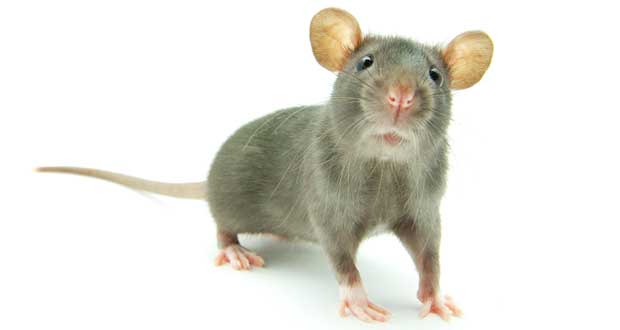
Although rats and mice may seem similar, understanding the differences between them is key to effective control. While both share features such as long tails and whiskers, they are distinct species with different physical characteristics. Rats are larger and heavier with shorter, thicker hairless tails, while mice have smaller, slender bodies and longer tails (for their body size), which are covered in hair.
Paul Blackhurst, Head of Technical Academy at Rentokil Pest Control said: “Knowing which rodent you’re dealing with is a crucial first step. Mice tend to be more curious and readily interact with traps and bait, whereas rats are far more cautious, often avoiding new objects or food sources, meaning a strategy that works for mice may be far less effective against rats.”
Beyond rodent activity, wasps took third place in the top pest activity tracked by Rentokil in the past 12 months. While wasps play an important role in controlling other garden pests, their sometimes aggressive behaviour and tendency to nest in roof spaces, walls and outbuildings can pose risks. To reduce the likelihood of wasps taking shelter in your property, seal any small gaps around roof eaves, vents, and window frames. Clearing garden debris, pruning hedges and keeping sheds tidy can also help to eliminate potential hibernation sites.
If you suspect an active nest, it is strongly advised that you do not attempt to deal with it yourself. While small, newly formed nests can sometimes be treated using an appropriate wasp nest destroyer foam or powder, larger or well-established nests should always be handled by a trained professional.
Blackhurst commented: “While rats, mice and wasps dominated reported activity, our data also highlights a continued presence of other pests in UK homes and businesses, including bed bugs, fleas, moths and ants. Warmer conditions in recent years are helping pests remain active for longer periods, increasing the importance of year-round vigilance rather than seasonal responses.
“As pest pressures continue this year, we advise early intervention and professional support to prevent minor issues from becoming costly infestations. Simple steps such as proofing entry points, managing waste effectively and responding quickly to early signs of activity can make a significant difference. If a problem does become unmanageable, professional pest control experts are always on hand to provide safe and effective solutions.”