
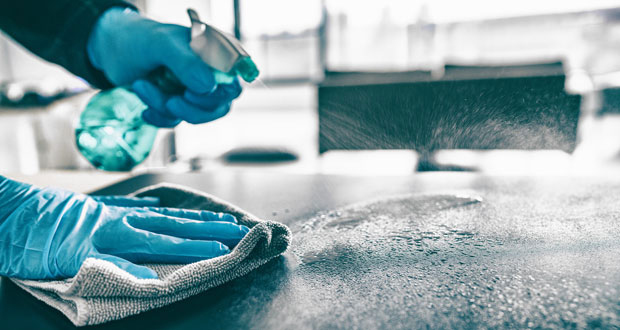
Thorough office cleaning can play a pivotal role in the wellbeing of staff
 Jade Collazo, HR Director at commercial and office cleaning specialists Cleanology, can call upon more than a decade of HR and Health & Safety expertise, with a particular passion for fostering employee engagement and professional growth in the cleaning and FM industry. Here she sets out why a happy workforce is more likely to function well in clean and tidy surroundings
As businesses continue to adapt to the ever-changing landscape of the modern workplace, it’s essential to remember the importance of maintaining a clean and healthy office environment. From preventing the spread of illness to increasing productivity, thorough office cleaning is vital to the success of any organisation. That’s why professional cleaning services exist to ensure that offices are not just clean but also safe and healthy for employees.
In recent years, there has been a growing emphasis on health and safety in the workplace. Employers have a legal obligation to provide a safe working environment for their staff, and this includes maintaining a clean and hygienic workplace. But beyond legal requirements, promoting health and safety in the workplace makes good business sense. A healthy workforce is more productive, more engaged and more likely to stay with the company long term.
When it comes to office hygiene, there are several key areas that require attention. The first and most obvious is regular cleaning. This includes cleaning and disinfecting surfaces, floors and equipment, as well as emptying bins and ensuring that restrooms are well-stocked and clean.
Another important aspect of office hygiene is air quality. Poor indoor air quality can lead to health problems such as headaches, fatigue and respiratory issues, and can even affect cognitive function. To promote good air quality, offices should have proper ventilation systems, and staff should be encouraged to take breaks outside or in designated break areas.
The inclusion of office plants, more specifically plants with larger leaves and areas, can reduce background noise levels in the office. This is beneficial for offices that have to take a lot of calls. In open-plan offices, in particular, densely leafed plants help absorb noise. Office plants can also help regulate air humidity while reducing dust significantly and improving office respiratory comfort.
Some of the top office plants based on wellbeing, air quality, and being hard to kill are the Snake Plant which is low maintenance and thrives in low light, the ZZ Plant which tolerates low light and the Spider Plant which thrives in various lighting.
Whilst professional cleaning services can provide routine cleaning and specialist cleaning services such as carpet cleaning and deep cleaning, there are also steps that employees can take to promote office hygiene. Here are some tips to share with staff:
- Wash Your Hands – Regular hand washing is one of the most effective ways to prevent the spread of illness. Encourage staff to wash their hands regularly throughout the day, especially before and after eating or using the restroom.
- Clean Your Workstation – Employees should take responsibility for keeping their own workstations clean and tidy. This includes wiping down surfaces and equipment, and keeping clutter to a minimum.
- Avoid Eating at Your Desk – Eating at your desk can lead to a build-up of crumbs and spills, which can attract pests and bacteria. Encourage staff to take breaks and eat in designated break areas instead.
- Use Disinfectant Wipes – Keeping a supply of disinfectant wipes on hand can help employees clean their own workstations and prevent the spread of germs.
The consequences of poor office hygiene can be significant. In addition to the risk of illness, a dirty and unhygienic workplace can negatively affect employee morale, productivity and engagement. When employees don’t feel comfortable in their work environment, they’re less likely to be productive and may even be more prone to making mistakes.
Furthermore, poor office hygiene can have a negative impact on a company’s reputation. Customers and clients who visit a dirty or unhygienic office may question the company’s commitment to quality and professionalism, which can harm the business in the long-term.
Employee cooperation aside, there are a number of cleaning tasks that must be carried out regularly to ensure that cleanliness and hygiene standards are met and upheld. Routine office cleaning tasks should include: Vacuuming regularly, Mopping floors, Dusting and disinfecting surfaces, Cleaning windows and blinds, Emptying bins, Cleaning and restocking restrooms and Cleaning kitchens and canteens.
Although some companies entrust these tasks to their staff, it is increasingly considered that professional cleaning companies provide the most efficient and cost-effective solution for tackling these routine cleaning tasks, as well as any special cleaning necessities which may arise such as kitchen deep cleans, specialised carpet cleaning or deep disinfection.
https://cleanology.com/services/office-cleaning/