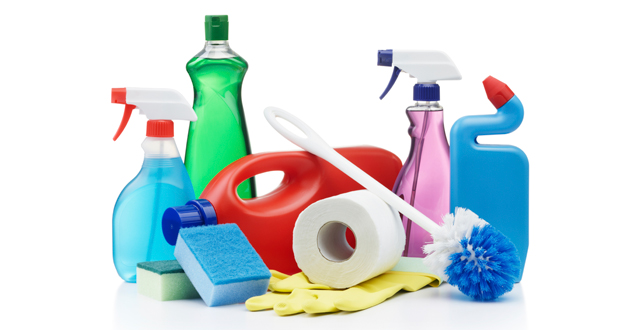
It’s estimated that nearly 95 per cent of businesses rely on professional cleaners to keep their workspaces tidy and healthy. With many common cleaning products containing dangerous chemicals, hazardous waste experts at BusinessWaste.co.uk are sharing which cleaning products you can and can’t bin.
Why are cleaning products hazardous?
Many cleaning products are designed to break down grease, bacteria, or limescale, which often means they contain corrosive, toxic, or reactive chemicals.
For businesses, these products may fall under hazardous waste regulations, particularly when stored, used in volume, or disposed of after use.
Common cleaning products that may be hazardous
-
Bleach-based cleaners – Highly effective disinfectants, but corrosive and harmful to aquatic life if disposed of incorrectly.
-
Oven cleaners – Often contain strong alkalis that can cause burns and require careful handling and disposal.
-
Drain unblockers – Typically made from highly reactive chemicals designed to dissolve blockages, these can be dangerous if misused.
-
Disinfectants and antibacterial sprays – Some contain biocides that can harm ecosystems when washed into water systems.
-
Aerosol sprays – Pressurised containers can be hazardous waste if not fully emptied before disposal.
-
Industrial degreasers – Used in commercial settings, these may contain solvents that require specialist disposal.
-
Floor strippers and polish removers – Common in commercial cleaning, these can contain aggressive chemicals that are not suitable for general waste streams.
What are the consequences of binning cleaning items incorrectly?
Many of these products can cause harm, react dangerously when mixed, contaminate water systems and persist in the environment. Alongside this, incorrect disposal can create a risk to waste workers who end up handling any hazardous products.
For businesses, poor waste management of cleaning products can lead to:
-
Higher disposal fees due to contamination
-
Additional collections or corrective handling
-
Fines for non-compliance
-
Inefficient use of cleaning materials
Mark Hall, waste management expert at BusinessWaste.co.uk said: “Spring cleaning is often seen as a one-off task, but for businesses, it highlights a broader issue, namely, how cleaning products are managed year round. With increasing regulatory pressure and a greater focus on sustainability, businesses are expected to understand the materials they use, manage waste streams correctly, and reduce reliance on hazardous substances where possible.
“Managing hazardous waste correctly is not only about regulatory protection, however, but it can also help to reduce costs and ensure that workers are safe.”