
FMs urged to tackle odour as 47% judge clean-looking washrooms unclean
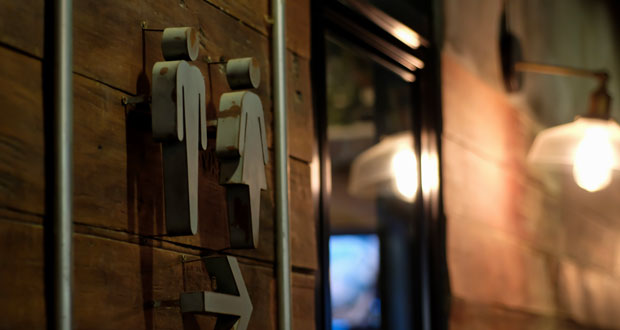
More than half of UK adults (58.2 per cent) believe the air in a typical public washroom is unclean, compared with 16.7 per cent who think it is clean, new research shows. Perceptions of hygiene extend beyond visible cleanliness to smells and concerns about the air.
The Handy Dryers survey of 2,000 UK adults found that visible dirt, overflowing bins or waste most influence perceived cleanliness (24.8 per cent), followed by poorly maintained facilities (22.5 per cent). Unpleasant smells and missing essentials such as soap and toilet paper rank equally at 21.4 per cent.
Visible cleanliness is not always enough
Even if a public washroom looked clean, 47 per cent would consider it unclean if it smelled unpleasant, compared with 24.1 per cent who would consider it clean. At least four in 10 in every region would judge it unclean, from 41 per cent in Greater London to 50 per cent in the West Midlands.
Stephen Levy, founder and CEO of Handy Dryers, said: “An unpleasant smell can make visitors question a washroom’s hygiene, even when it looks clean. Facilities teams need to consider what people smell and their concerns about the air, as well as what they see.”
Concerns extend beyond surfaces
Only 6.8 per cent cite poor ventilation or stuffy air as the biggest influence on perceived cleanliness, yet 74.9 per cent express a view on whether washroom air is clean or unclean. More than half in every region believe it is unclean, including 53 per cent in Greater London and 66 per cent in the East of England.
Some 76.8 per cent are concerned about airborne germs, including bacteria and viruses, in public washrooms; 33.1 per cent are very concerned. Four in five (80 per cent) already knew that flushing a toilet can create a plume of tiny airborne droplets and particles.
More people leave than complain
Because of a public washroom’s condition, smell or perceived hygiene, 35.4 per cent have left without using it and 27.1 per cent have decided not to return to the venue. Only 23.8 per cent have complained to staff, suggesting complaints alone may understate dissatisfaction.
For the same reasons, 36.5 per cent have avoided breathing normally or held their breath in a public washroom.
Perceptions vary by age and region
The age breakdown shows differences in how respondents judge washroom hygiene. Among 18 to 24-year-olds, 35 per cent would consider a visibly clean but unpleasant-smelling washroom clean, rising to 40 per cent among 25 to 34-year-olds. Among those aged 55 and over, just 14 per cent would consider it clean and 56 per cent would call it unclean. Similarly, 63 per cent of respondents aged 55 and over believe the air in a typical washroom is unclean, compared with 49 per cent of 25 to 34-year-olds.
The gender breakdown also shows differences: 62 per cent of women believe the air in a typical washroom is unclean, compared with 54 per cent of men. Some 37 per cent of women are very concerned about airborne germs, compared with 29 per cent of men.
In the West Midlands, 81 per cent are concerned about airborne germs, against 76.8 per cent nationally, while 33 per cent have decided not to return to a venue because of its washrooms, versus 27.1 per cent across the UK.
Continuous air treatment and user reassurance
The findings accompany Handy Dryers’ relaunch of Sterillo Duo, an electric hand dryer designed to sanitise surrounding air continuously and reduce airborne germs and odours. Technology designed to do this would reassure 81.8 per cent about using a public washroom, including 40 per cent who would feel much more reassured. The survey measured perceptions, not product performance.
Levy added: “Surface cleaning remains essential, but air also shapes visitors’ experience. Continuous air treatment complements cleaning, rather than replacing it, giving facilities teams another way to address hygiene concerns between cleans.”