
Initial Washroom Hygiene calls for a rethink of what makes a good washroom this World Toilet Day
With research revealing dissatisfaction with accessible facilities, Initial Washroom Hygiene shares five ways businesses can create cleaner, more inclusive and sustainable washrooms.
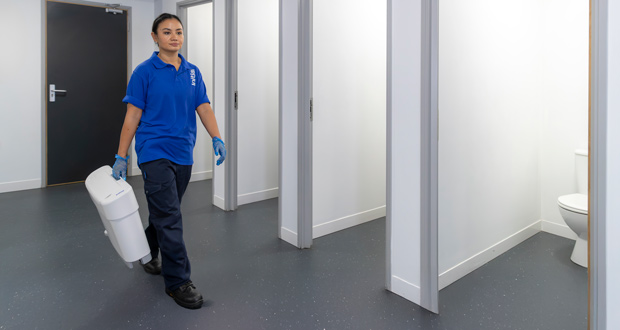
Initial Washroom Hygiene, a leading provider of washroom hygiene services, is calling on UK businesses to rethink what makes a good washroom this World Toilet Day, urging employers and facilities managers to look beyond just cleanliness and consider how their facilities support the health, dignity and wellbeing of all users.
Marking this year’s World Toilet Day theme, Safe Toilets. Equal Futures. Initial Washroom Hygiene is highlighting the importance of creating washrooms that meet the needs of all users, including those managing continence issues, menstruation and hidden disabilities.
Research previously commissioned by Initial Washroom Hygiene found that 26 per cent of disabled washroom users surveyed were dissatisfied with accessible facilities, highlighting the gap between the provision within washrooms and the experience of those using them.
Separate research commissioned by Initial Washroom Hygiene also found that half of the men surveyed who experience continence issues were concerned about leaving home because of inadequate facilities, demonstrating how something as fundamental as easy access to a suitable toilet can affect people’s confidence, independence and participation in everyday life.
Jamie Woodhall, Technical & Innovations Manager at Initial Washroom Hygiene, commented: “Many of us use washrooms several times a day, perhaps without giving it much thought. But for millions of people, finding a suitable toilet isn’t always straightforward. Whether someone is managing a hidden disability, experiencing continence issues or simply needs somewhere safe and private to manage their personal hygiene, the facilities available can have a significant impact on their everyday life.
“World Toilet Day is an important reminder that access to safe sanitation is a fundamental human right. This year’s focus on equality should encourage businesses to consider whether their own facilities genuinely meet the needs of everyone using them.
“A good washroom isn’t simply one that looks clean. It should offer privacy, dignity and the right facilities for people to manage their needs confidently. Our research shows there’s still a gap between what people need and what some facilities provide, and businesses have an opportunity to address that.
“Importantly, improvements don’t always require a complete refurbishment. There are practical steps businesses can take to create better washrooms, from reviewing cleaning routines to making period, incontinence and sanitary waste disposal more accessible. The starting point is understanding what people actually need.”
Five considerations for businesses looking to improve their washroom facilities
1. Make cleanliness the starting point, not the finishing line
A clean washroom is fundamental to protecting health and preventing the spread of germs. Businesses should ensure that cleaning schedules reflect how frequently their facilities are used, with particular attention paid to high-touch surfaces, handwashing and drying facilities and the availability of essential supplies.
However, hygiene alone doesn’t make a washroom suitable for everyone. Businesses should consider the overall experience, from the moment someone enters a facility to whether they can use it comfortably and confidently.
2. Put privacy and dignity at the centre of washroom design
For people managing menstruation, continence issues or other personal hygiene needs, privacy is essential. Something as simple as the absence of a suitable waste disposal bin can make using a public or workplace washroom unnecessarily difficult.
Businesses should consider whether facilities allow people to manage their personal hygiene discreetly, without having to carry used products outside of the toilet cubicle or worry about where to dispose of them.
3. Think beyond minimum accessibility requirements
Accessibility is about more than providing a designated accessible toilet. Businesses should consider the needs of people with hidden disabilities, mobility challenges and health conditions that may not be immediately visible.
This includes reviewing the location and availability of facilities, ensuring appropriate equipment is provided and considering whether washroom layouts support people with different physical and personal needs.
Listening to feedback from those using the facilities can also help identify barriers that might otherwise be overlooked.
4. Rethink how washrooms manage waste
Waste disposal is an important but sometimes overlooked part of washroom provision. Businesses should ensure appropriate disposal facilities are available for the different hygiene products people use, rather than assuming one approach will meet everyone’s needs.
Providing discreet and accessible sanitary disposal options, ideally within each toilet cubicle, can help people manage their personal hygiene with greater confidence, while supporting better waste management and reducing the risk of inappropriate disposal.
5. Make sustainability part of good washroom management
Better washrooms should also be designed with their environmental impact in mind. From reducing unnecessary waste to reviewing water consumption and the products used to maintain facilities, businesses have opportunities to improve sustainability without compromising hygiene.
This means considering the full lifecycle of washroom products and services, including how frequently consumables need replacing, how waste is collected and how facilities can be maintained efficiently over time.
Creating washrooms that work for everyone
Innovations such as Initial Washroom Hygiene’s Signature Inclusive Sanitary Bin, designed to enable discreet disposal of personal hygiene waste within washroom cubicles, and its Signature BioFlow device, demonstrate how washroom provision can evolve to address these priorities.
Woodhall concluded: “Good washrooms should work for everyone, not just the majority. That means recognising that people have different needs and that something as straightforward as having access to the right disposal facilities can make a real difference.
“World Toilet Day is an opportunity for businesses to look at their washrooms through the eyes of the people using them. By putting inclusivity, hygiene and sustainability at the heart of washroom design and management, we can create facilities that work better for everyone, while supporting a more sustainable future.”