
Kitchen expert reveals five hygiene mistakes schools must avoid
Experts reveal five food hygiene checks schools should prioritise ahead of the new academic year
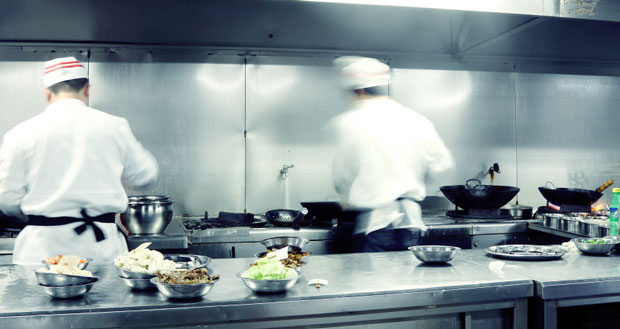
With an estimated 2.4 million cases of foodborne illness occurring in the UK every year, catering experts warn that simple mistakes in school kitchens can increase the risk of contamination and food safety issues.
To help schools prepare for the new academic year, Alliance Online has revealed five key hygiene areas kitchen teams should focus on, from preventing cross-contamination to maintaining accurate food safety records.
-
Failure to prevent cross-contamination
Cross-contamination is one of the most important food safety risks for school kitchens to manage, particularly when preparing raw meat, cooked food and allergen-containing dishes in a busy environment.
Raw meat should be stored on the bottom shelf of a fridge to prevent juices from dripping onto cooked or ready-to-eat products. Kitchen teams should also use separate, appropriately cleaned utensils and equipment when handling different types of food.
For allergen management, utensils and equipment used for allergen-containing foods should be thoroughly cleaned before use, and preparation surfaces should be cleaned and disinfected between different preparation tasks. Colour-coded chopping boards and utensils can also help staff distinguish between equipment used for different food preparation tasks.
-
Not monitoring food temperatures
Unsuitable cooking, cooling, and storage temperatures can allow harmful bacteria to multiply, increasing the risk of foodborne illness. Routine temperature checks can help kitchen teams identify when food or equipment is outside safe limits.
School kitchens should regularly check and record the temperatures of fridges, freezers, and prepared food to help ensure food remains safe to eat.
It is also important to check that cooked food reaches a safe internal temperature before being served. For example, poultry, such as chicken, should reach an internal temperature of 75°C to ensure it is thoroughly cooked, while other foods should be cooked in line with the appropriate food safety guide for that dish.
-
Ignoring cleaning schedules
Tidiness does not mean that each surface or piece of equipment is hygienic. Bacteria can grow on regularly touched areas such as appliance handles and preparation surfaces if not properly cleaned and disinfected.
Cleaning schedules can help school kitchens ensure that routine tasks are completed consistently, particularly during busy service periods. These should cover daily cleaning, end-of-shift full cleans and regular deep cleans, with some equipment and areas requiring additional weekly or periodic attention.
Schedules should clearly outline what needs to be cleaned, how often it should be completed, which cleaning products or methods should be used and who is responsible for each task.
-
One-time approach to staff training
Food safety training should not be viewed as a one-time requirement. New employees, changing menus, and dietary requirements all mean school kitchens need to keep revisiting their food safety practices.
Staff should understand key areas including personal hygiene, allergen management, safe food storage, cleaning procedures and how to prevent cross-contamination.6
Refresher training can also help ensure established procedures remain front of mind, particularly for kitchens where staff responsibilities or menus change throughout the academic year.
-
Ignoring food safety documentation
While food safety inspections are meant to determine whether the kitchen is clean, there are also other aspects that they take into consideration.
Food safety documentation can include cleaning schedules and records, fridge and freezer temperature logs, cooking and reheating temperature records, food delivery and storage checks, allergen information, staff training records and records relating to food safety management procedures.3
Keeping these records accurate and up to date can help kitchen teams identify recurring problems, demonstrate that procedures are being followed and determine where improvements may be needed.
Rachael Kiss, Head of Marketing at Alliance Online, commented: “School kitchens carry a large and important task of providing hundreds of pupils with nutritious and healthy food.
“Simple measures such as colour-coded chopping boards, updated training sessions, and accurate record-keeping can go a long way in maintaining food hygiene standards.
“Food safety is not only about passing the inspection, but creating a safe kitchen environment for the pupils. Regularly reviewing and improving daily routines can help schools to maintain high standards throughout the whole year.”