
New Tork survey shows how better washroom hygiene can protect business reputation and revenue
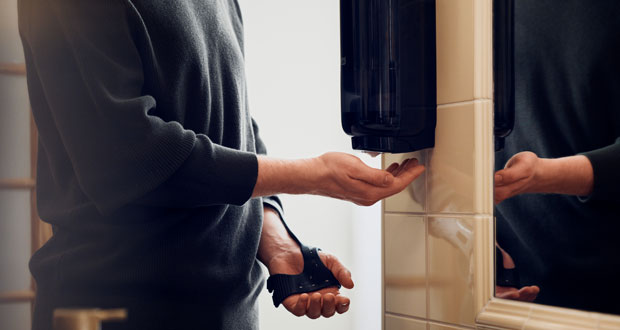
New Tork data reveals a gap of up to 29 per cent between facility managers’ perceptions and washroom users’ expectations, highlighting practical steps for cleaner, more comfortable public washrooms.
Findings from the annual Insight Survey from Tork, a global leader in professional hygiene and an Essity brand, give facility managers, facilities services companies and cleaning teams clearer insights into the hygiene and comfort factors that can influence customer perception, return visits and spend.
In particular, the findings show that washroom visitors place greater importance than facility managers expect on clean toilets, a fresh smell, touch-free fixtures and a constant supply of toilet paper.
A total of 63 per cent of survey respondents considered touch-free experiences to be crucial compared with 34 per cent of facility managers who believed these to be essential to users.
Washroom visitors ranked dirty toilets and a lack of toilet paper, soap and paper towels among their biggest issues while facility managers believed dirty floors to be their top concern. And 68 per cent of users said a fresh smell was essential compared with 51 per cent of facility managers who believed it topped their list.
The Tork Insight Survey also revealed that more than 80 per cent of people have experienced cleaning and hygiene issues in a public washroom over a six-month period. And more than three in every five users said they would avoid visiting a venue such as a restaurant, sports stadium, transport hub or shop because of washroom comfort, sensory or hygiene issues.
Findings from the annual Insight Survey from Tork, a global leader in professional hygiene and an Essity brand, give facility managers, facilities services companies and cleaning teams clearer insights into the hygiene and comfort factors that can influence customer perception, return visits and spend.1
Hygiene issues such as runouts of soap, towels and toilet paper plus cleanliness issues such as dirty sinks, counters, toilets and floors were experienced by more than four out of five survey respondents over a six-month period.
Besides saying they would avoid a venue due to washroom concerns, respondents also said they would spend less money while they were there. Around 36 per cent of those surveyed said they would limit what they eat or drink to avoid using a dirty or poorly-maintained washroom while one in five have actually done so.
“Washrooms are one of the busiest rooms in a facility and they play an important role in how people experience a workplace, venue or business,” said James Cartwright, Commercial Director Professional Hygiene at Essity. “Our findings give facility managers and cleaning teams clearer insight into the hygiene barriers and comfort factors that matter to washroom users from touch-free access and fresh air to privacy and product availability.
“Our new research helps show how businesses can create washrooms that support the needs of as many people as possible while also protecting reputation and revenue.”
Seventy-four per cent of survey respondents have experienced sensory issues including unpleasant odours, excessive noise, crowding, harsh lighting, chemical exposure or uncomfortable temperatures. Seventy-one per cent of those surveyed have felt a lack of privacy such as hearing others or worrying that they could be heard.
“For people managing anxiety, sensory sensitivities or hygiene-related concerns, these hygiene barriers can make a public washroom feel unpleasant and even unusable,” Cartwright continued.
The study also revealed that washroom quality directly shapes customer perception:
- 81 per cent of respondents say hygiene issues make them feel worse about a business
- 55 per cent strongly agree that a poor washroom experience signals that a company lacks care about customers
- 53 per cent judge the hygiene of an entire business based on the washroom alone
The most essential factors for a comfortable washroom experience included a constant supply of toilet paper, fresh and odour-free air, secure door locks, fully-stocked soap dispensers and bins that are emptied regularly.
About the global effort to advance Inclusive hygiene
This annual global research explores attitudes toward hygiene-related topics in public washrooms, the hygiene barriers that users encounter, perceptions of facility managers and the business consequences of a poor washroom experience. Tork continues to advance Inclusive hygiene in public washrooms by researching the barriers people face, developing practical solutions, and equipping facility managers and cleaning teams with tools and guidance to help meet the hygiene needs of as many users as possible. By improving washroom experiences, businesses can help strengthen customer satisfaction, reputation and loyalty.
Learn about simple changes organisations and business can make to improve the washroom experience by downloading the checklists here.