 Cleaning Hygiene Today Cleaning Hygiene Magazine
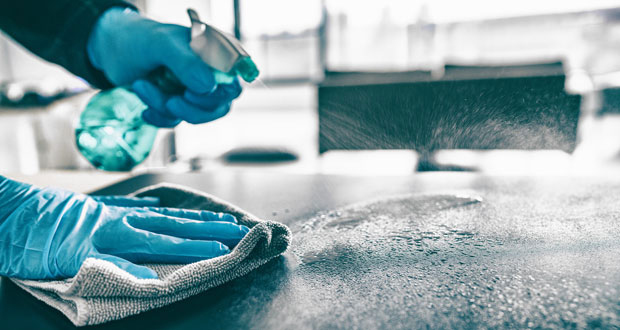
With the NHS on high alert as flu continues to circulate through the UK, industry experts have called for clear and effective national cleaning standards across workplaces and public spaces in the UK to help save lives, limit damage to the economy and reduce disruption to hospitals, schools and workplaces.
The body representing the £67 billion cleaning, hygiene and waste industry says that higher standards of cleaning in UK workplaces and public spaces, combined with handwashing measures, are the best way of reducing the spread of common infections such as flu and other illnesses, as well as protecting against any future pandemic.
The British Cleaning Council (BCC) has published a framework document with systematic guidance about how to develop cleaning and hygiene policies for public spaces aimed at preventing the spread of infectious disease, which builds on handwashing standards recommended by the World Health Organisation (WHO).
BCC Chair David Garcia said: “Yet again, we are seeing surging cases of illness in the UK as we move into winter, as we seem to see quite often.
“We need higher cleaning standards in public spaces and workplaces, which combined with better handwashing will help protect the public from common infections such as flu. We believe this is the key to reducing the huge toll illness takes in the UK annually.
“Our expert guidance will help create cleaner, safer, and healthier public environments for everyone.”
Illness currently has a huge impact in the UK:
- An average of 3,140 patients were in hospital with flu in England last week (WC 8 Dec).
- Workplace sickness absences cost up to £103 billion annually.
- Ten of thousands of pupils are off sick each year.
The BCC’s Strategic Framework For Achieving Cleanliness And Hygiene in Public Environments will enable managers across a range of environments, for example leisure, retail, hospitality, public transport facilities and schools, to develop a policy for delivering targeted hygiene which is appropriate to the specific needs and challenges of the environment they are responsible for, and which includes both cleaning and the subsequent measurement of outcomes.
The document builds on the Guidelines on Hand Hygiene in Community Settings issued by the WHO in October, which aim to support governments and practitioners in promoting effective hand hygiene outside health care – across households, public spaces and institutions.
Delia Cannings, author of the Strategic Framework For Achieving Cleanliness And Hygiene in Public Environments, and Immediate Past Chair of the BCC, said: “A regulated standard is the way forward to provide a structured route to consistency in cleaning standards across a range of environments and public spaces.
“Enabling organisations to develop their own policies using the framework guidelines will potentially contribute to the creation of a resilient UK whilst reassuring the public regarding environmental cleanliness. A national standard must be considered as the bedrock for health and wellbeing.”
The framework includes:
- the definition of hygiene and cleanliness
- assessing risks
- establishing cleaning and hygiene standards
- implementing cleaning and hygiene procedures
- continuously monitoring and improving the process.
This framework has been developed to be adapted/tailored to specific environments.
Examples of areas covered include:
- The need to identify the sites and surfaces where the probability of contamination is highest and where there is the greatest risk of infection spread. This may include hands, high-touch surfaces such as door handles, light switches, and shared equipment, cleaning utensils, and surfaces where food is prepared or handled.
- The need to develop cleaning protocols, by creating detailed cleaning procedures for different areas and surfaces, including the frequency of cleaning, the types of cleaning products to use, and the proper techniques for application.
The BCC is now planning a pilot project which will see the framework implemented in one or more schools, with evidence being collected to demonstrate the impact of measures on reducing both absence rates and the spread of infection to families in the community.
It is hoped that the results of this trial will result in the wide adoption of the Strategic Framework For Achieving Cleanliness And Hygiene in Public Environments in other workplace situations and public spaces.
For a free copy of the Strategic Framework For Achieving Cleanliness And Hygiene in Public Environments, please email the BCC via Compsec@britishcleaningcouncil.org.