 Cleaning Hygiene Today Cleaning Hygiene Magazine
Six years after the world began going into lockdown, one of the UK’s leading disinfection and water purifications specialists is warning that “post‑pandemic fatigue” could leave hospitality venues exposed to avoidable infection risks.
Hydrachem, whose products are trusted by the NHS, healthcare systems and organisations in more than 60 countries, says rising cost pressures, rapid staff turnover and reduced cleaning budgets are creating conditions where hygiene standards could slip unintentionally.
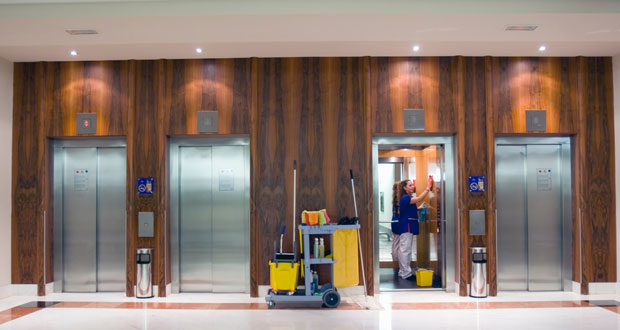
Research consistently demonstrates that pathogens can survive for hours – and sometimes days when routine cleaning lapses – on everyday surfaces, such as door handles, handrails, lift buttons and gym equipment. In high-footfall environments, those surfaces can be touched hundreds of times each day.
Hydrachem is using this moment to encourage the sector to take stock. The systems put in place in 2020 represented a positive change in hygiene awareness. The challenge now is to ensure those gains are not forgotten in favour of pre-pandemic norms.
Nicolas Barbieri, Chief Commercial Officer at Hydrachem, commented: “During the pandemic, the hospitality sector demonstrated extraordinary commitment to protecting guests and staff.
“But six years on from the first lockdown, we understand the very real pressures operators are under. When margins are tight and teams are stretched, it can be tempting to scale back enhanced hygiene routines. Our concern is that fatigue and cost-cutting could quietly erode standards, and that puts everyone at risk.”
The company stresses that vigilance does not mean reverting to emergency-level measures, but embedding practical, sustainable infection control into everyday operations.
“This isn’t about alarmism,” Barbieri added. “It’s about maintaining consistent hygiene practices that safeguard people and protect reputations. Guests today still expect visible cleanliness.”
Hydrachem is encouraging hospitality operators to adopt a “safety-first, people-first” approach, particularly around high-touch points. Products such as its Cert multi surface cleaning tablets, which were developed during the pandemic as an infection control solution and designed to support routine surface disinfection across a wide range of environments, provide an effective solution for busy teams.
Barbieri concluded: “As the industry continues its recovery and adapts to evolving consumer expectations, we’re calling on operators, procurement professionals and cleaning contractors to review their surface hygiene strategies, particularly in high-traffic zones. Infection prevention must remain firmly embedded in operational planning.
“The sector has worked incredibly hard to rebuild confidence since 2020, and clean, safe environments are fundamental to that trust. We must not allow the lessons of the past six years to fade.”