 Cleaning Hygiene Today Cleaning Hygiene Magazine
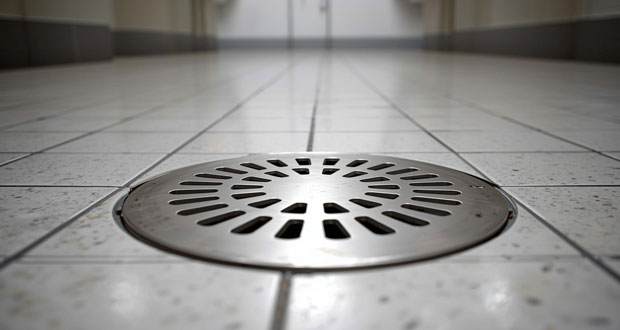
 Keld Rindom, Managing Director of Green Drain, explores the drainage challenges that part-time occupation has introduced, and alternative solutions that eliminate the need for ongoing maintenance; freeing hygiene professionals to focus on higher-value priorities.
Hybrid working has reshaped the rhythm of commercial buildings. With around a third of UK employees now splitting their time between home and the workplace, offices, education facilities and public buildings are operating on fluctuating occupancy patterns that can vary dramatically across the week.
For cleaning and hygiene professionals, this shift brings a new set of operational pressures. While much attention has rightly been given to touchpoint cleaning, air quality and waste management, one less visible area is increasingly causing problems: drainage systems in low-use spaces.
In traditionally occupied buildings, washrooms, kitchens and shower facilities benefit from regular daily use. Every time a tap runs or a WC is flushed, water passes through the drainage system and replenishes the trap seals fitted beneath sanitary outlets. These water seals form a simple but essential barrier, preventing foul air and sewer gases from travelling back up into occupied areas.
Under hybrid occupancy patterns, however, many outlets no longer receive this consistent replenishment. Entire floors may sit unused for several days, meeting room washrooms may see only occasional traffic, and amenities in partially closed buildings may remain idle for extended periods. In these conditions, the water retained in traps can evaporate, particularly in warm, mechanically ventilated environments.
When a trap seal dries out, the barrier between the drainage system and the occupied space is effectively removed. The first sign is often unpleasant odour, but the implications go beyond nuisance smells. Drainage systems can harbour airborne contaminants and microorganisms, and while the risks vary depending on the environment, any pathway that allows foul air to enter occupied spaces represents a hygiene concern.
For cleaning teams, the impact is immediate and practical. Complaints about odours frequently land with cleaning operatives before facilities managers are alerted. Time is then spent investigating the source, flushing outlets, and sometimes deep-cleaning areas where smells have lingered. In larger estates, establishing and maintaining flushing schedules to protect seldom-used drains can become a significant manual burden.
This reactive approach is also resource-intensive. Regular flushing consumes water at a time when many organisations are working towards ambitious sustainability targets. Coordinating access to low-occupancy areas adds further complexity, particularly where cleaning rotas have already been optimised to reflect reduced building use.
The result is a cycle that many in the sector are now recognising as unsustainable: low use leads to evaporation, evaporation leads to odours, and odours trigger reactive labour and water use to reinstate trap seals.
In response, some organisations are reassessing whether reliance on standing water remains the most appropriate method of maintaining drainage hygiene in hybrid environments. While automated flushing systems and trap primers can reduce manual intervention, they still depend on introducing water into pipework at regular intervals. That may sit uneasily alongside wider commitments to water conservation and carbon reduction.
An alternative approach gaining attention within the hygiene sector removes the dependence on retained water altogether. Waterless trap seal technologies, which use flexible membranes or one-way valves installed within existing drains, allow wastewater to flow through during use but close when the outlet is idle. By forming a physical barrier rather than a water-based one, they are not vulnerable to evaporation during prolonged periods of inactivity.
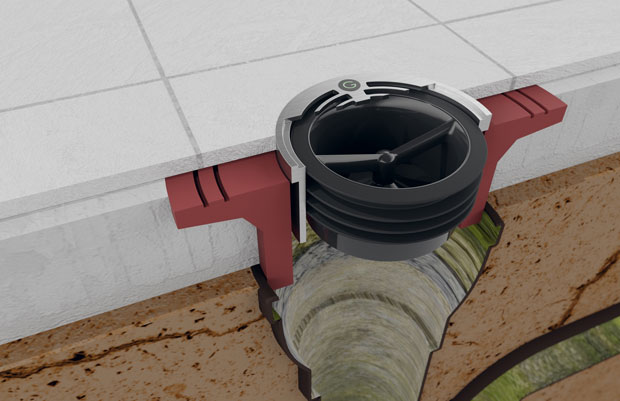
Green Drain installation
From a cleaning and hygiene perspective, the benefit is consistency. Odour control becomes less reliant on occupancy levels or manual flushing regimes. Rarely used washrooms and floor drains remain sealed without daily intervention, reducing the likelihood of complaints and unplanned callouts.
Importantly, such technologies can typically be retrofitted into existing drains without major pipework alterations, making them suitable for buildings adapting to new working patterns. For contract cleaning providers managing multiple client sites, this can offer a practical way to standardise drainage protection across portfolios where usage varies significantly.
As hybrid working continues to define how buildings are used, hygiene strategies must evolve in parallel. Drainage may be out of sight, but it should not be out of mind. For cleaning professionals tasked with maintaining safe, pleasant environments, understanding the relationship between occupancy patterns and trap seal performance is becoming increasingly important.
By addressing drainage resilience proactively rather than reactively, the sector can reduce avoidable odour incidents, support water efficiency goals and ensure that even intermittently occupied spaces meet the hygiene standards modern building users expect.