 Cleaning Hygiene Today Cleaning Hygiene Magazine
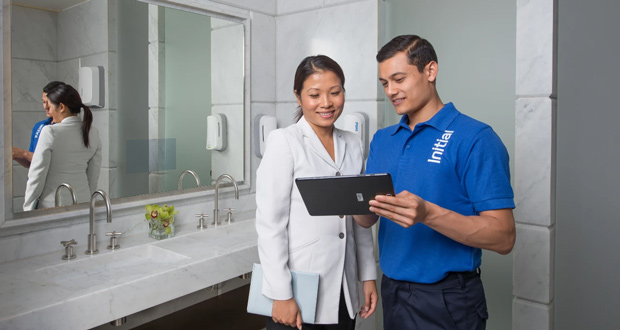
By Jamie Woodhall, UK Technical & Innovations Manager, Initial Washroom Hygiene
The flu season in the UK started unusually early this year, following a seasonal virus suddenly mutating in the summer. It has led to predictions by experts that we’re experiencing the worst flu season in a decade.
Employers often feel helpless to the impact flu has on their business, with minor illnesses – such as colds and flu – accounting for approximately 30 per cent of all workplace absences across the UK in 2024. But there are some simple preventative actions that can be taken to help mitigate workplace sickness. From encouraging better hygiene awareness amongst employees to proactively investing in cleaning, preventing the spread of germs can be critical to a business’ ability to function effectively this winter.
Promoting more effective handwashing habits
Handwashing might seem like an obvious way to combat germs, but – amidst busy working lives – many people become complacent with personal hygiene. In fact, research* by Initial Washroom Hygiene previously revealed that 15 per cent of UK adults don’t wash their hands after using the bathroom – and just one in three wash their hands on arrival at work. And, while forgetting to wash your hands or not washing them properly may not seem like a big deal, it can have big consequences – with hands being responsible for spreading around 80 per cent of common infections.
 Employers can take charge of encouraging better workplace handwashing habits by strategically placing reminder posters in washrooms and food preparation zones which demonstrate the correct handwashing technique. It’s best to do seasonal campaigns to grab people’s attention, using catchy slogans such as “wash, rinse, dry, repeat” to turn good intentions into lasting habits.
The World Health Organization (WHO) recommends washing hands for at least 20 seconds – roughly the same amount of time it takes to hum or sing the “Happy Birthday” song twice. However, separate research by the Food Standards Agency (FSA) found that the average handwashing time in a kitchen was between 8.65 and 11.1 seconds, indicating that handwashing routines in food preparation areas in particular could be falling short.
As well as length of time, it’s important to remind employees when to wash their hands. Guidance suggests you should wash your hands after using the toilet, before preparing food or eating, after coughing or sneezing, or returning from outside. Technique also matters. Using clean running water and soap, handwashing should involve fully covering palms, the backs of hands, between fingers and under nails before rinsing and drying thoroughly.
Many people often overlook drying, but it should be remembered that damp hands spread up to 1,000 times more bacteria than dry ones. Keeping soap, paper towels, and hand dryers well stocked supports effective hygiene and shows commitment to employee wellbeing.
Targeting touchpoints
While handwashing plays a key role in breaking the chain of infection, the cleaning and disinfection of surfaces is equally vital. Frequently touched objects like door handles, kettles, or keyboards can quickly become hotspots for germs.
Touch-free technologies, such as touch free dispensers, help minimise cross contamination risks. According to the WHO’s Global Report on Infection Prevention and Control, implementing touchless solutions can reduce healthcare-associated infections by as much as 70 per cent.
Locating hand sanitiser dispensers in shared areas and meeting rooms can also help. However, while they are effective at killing microbes, hand sanitisers don’t physically remove them like soap and water do. Handwashing with soap and water remains the gold standard, with sanitisers acting as a useful supplement when sinks aren’t accessible.
This combined approach helps build a culture of hand hygiene that aligns with health guidelines and supports a safer workplace environment.

Proactive deep cleaning
Investing in hygiene awareness doesn’t just protect employees, it also helps maintain morale, reduce absenteeism, and support consistent productivity in the workplace. However, it is still possible that colleagues may succumb to seasonal illnesses and flu over a short period. When this happens, facilities and office managers must act quickly to stop the illness spreading further and impacting the business’ ability to function properly.
Arranging a professional deep clean is an essential first step. Unlike routine cleaning, deep cleaning involves comprehensive disinfection of all high-touch surfaces, including desks, keyboards, phones, door handles, shared kitchen appliances, and meeting room equipment.
Advanced specialist techniques such as electrostatic spraying allow disinfectants to reach even hard-to-reach areas, while UV disinfection can be applied to sensitive electronics to kill bacteria and viruses safely without causing damage.
A deep clean not only removes pathogens but also restores employee confidence in the safety of their working environment. But it’s not enough on its own; maintaining regular touchpoint disinfection and clear hygiene communication helps prevent further outbreaks.
Building a culture of hygiene and care
Creating a lasting culture of hygiene and care in the workplace depends on education and leading by example. When leaders actively promote hygiene awareness and reward healthy behaviours, they foster environments where employees feel both valued and protected. This doesn’t just reduce sick days. The sense of mutual responsibility and shared commitment to wellbeing boosts employee satisfaction and leads to more resilient teams.
* The consumer research was conducted by Mortar Research and was carried out amongst 2,074 UK adults [general pop] between March-April 2024.