 Cleaning Hygiene Today Cleaning Hygiene Magazine
The impact of a rat infestation on a business can be devastating, from failed health inspections to stock losses, emergency pest control bills, and costly fines of £29,000.
In light of this, properties and facilities waste experts at BusinessWaste.co.uk are warning of the potential risks and implications of a rat infestation, along with advice from Tony King, owner of pest control firm The Pied Piper, about avoiding these risks.
Video highlights rodent infestation risks to businesses

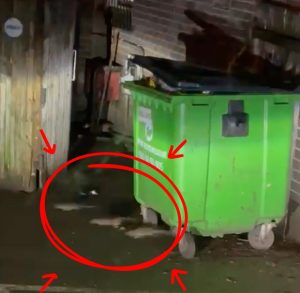
Stills from videos taken by BusinessWaste.co.uk waste collectors show how overflowing waste can attract rats to your premises.
Below, Mark Hall, properties and facilities waste expert at BusinessWaste.co.uk and Tony King from The Pied Piper break down how rat infested waste can cost your business, and how to prevent this.
- Rats can lead to compliance and inspection failures
Hall said: “Maintaining regulatory compliance is a core responsibility for any business. Just one rodent sighting can be enough to trigger a failed inspection from Environmental Health Officers. This could mean an immediate closure order, large fines, and the loss of trading days while measures are being implemented.
“Overflowing bins, food waste left in open areas, or improperly maintained waste storage are one of the fastest ways to attract rodents and pests in general. Once rodents are on site, it’s extremely difficult to remove them without serious disruption to operations.
“Businesses must ensure all waste is stored in secure and clearly designated areas, that bins are robust, lockable, and kept in good condition, a regular waste collection schedule is in place, and thorough records of these collection schedules are kept.
“Even minor lapses in waste management can escalate into serious compliance issues, so operating a careful waste management strategy is essential.”
King commented: “One of the fastest ways rodents can hurt you is through the breakdown of inspections. One rodent sighting will trigger fines or a shutdown for a number of businesses temporarily. I never hesitate to tell clients that waste management is seen by regulators as a first line of defence, so securing bins and collections is not a decision; it’s a requirement. The cost in money of a failure in compliance always greatly outweighs the investment in preventative pest control.”
- Contamination of stock
Hall: “Rodents don’t just damage food, they contaminate it, meaning entire batches of stock cannot be sold. In food retail, even unopened items near an infestation often have to be destroyed to comply with food safety regulations. This results in significant loss of revenue, increased disposal fees, and urgent restocking. It’s important that businesses implement strong waste management practices as they’re key to reducing these risks.
“Secure, pest-resistant waste management is only part of the solution – ensuring that organic or food waste is separate from general waste, as well as limiting the time waste remains onsite before collection makes it harder for pests to find food sources and nest. Also, it reduces a loss in stock, and makes it easier for staff to spot early signs of activity.”
King: “Rodents are notorious for carrying disease in their fur, urine, and droppings, and once contaminated, entire stock lots have to be destroyed. I have witnessed companies losing thousands of dollars in a single incident when they stored waste in close proximity to raw materials. I strongly recommend keeping food or organic waste separate from general waste and limiting how long it stays on site. It only takes one lapse of contamination to undo months of operational work.”
- Equipment and property damage
Hall: “Rodents are highly destructive. They can chew through wiring, insulation, packaging and even refrigeration seals to reach food sources. This establishes hygiene and safety hazards such as broken infrastructure and equipment, and an increased fire risk, which can result in a loss of operations while repairs are made, and a loss of revenue.
“By keeping waste storage separate from machinery and critical infrastructure, as well as using raised storage areas and ensuring all entranceways are sealed, businesses can reduce the chances of rodents nesting near sensitive equipment and causing costly damage.”
King: “Rodents don’t just go after food; they gnaw constantly to keep their teeth in check, and I’ve seen them damage wiring, insulation, and even machinery. This not only results in expensive repairs but can create dangerous fire hazards or downtime in production. Businesses need to ensure that refuse areas are never placed close to core infrastructure and access points such as bays, vents, and plugged-up pipes. Keeping them away from nesting around sensitive equipment prevents massive long-term costs.”
- Reputational damage and commercial impact
Hall: “Maintaining high standards of cleanliness and hygiene is critical to protecting a business’s brand and commercial performance. In today’s digital world, a single incident shared online can have long-lasting repercussions on a business. Any visible pest activity can rapidly undermine customer confidence, damage client relationships, involve an inspection and result in lost revenue.
“Implementing a strict waste management strategy signals that a business is complying with high cleanliness and hygiene standards. Methods in which businesses can do this include placing clear signage in waste areas, clearly labelling disposal points, and delivering staff training on correct waste management practices.”
King: “When customers or clients spot pest activity, the reputational fallout is often immediate. No matter how strong a brand is, the association with poor hygiene can be extremely difficult to recover from. In sectors like hospitality or retail, I’ve seen businesses lose contracts and customers overnight. A strict waste management and pest prevention plan is not just about cleanliness; it’s about protecting the trust that underpins your business relationships.”
- How to deal with an infestation
Hall: “Once a business experiences a rodent infestation, it’s often extremely difficult to solve the problem on its own, as rodents breed rapidly in number. While businesses can implement the above measures, it’s important to note that these won’t solve an ongoing infestation, which often requires the assistance of a professional.
“If a rodent problem has become a large issue for your business, it’s recommended that you partner with an accredited pest control provider, who will implement effective prevention strategies and can educate staff on prevention best practices. For businesses operating in the food and beverage sector, consider taking out a contract that includes regular maintenance inspections, as this will help minimise any problems before they escalate.”
King: “Even the best-managed businesses can’t always stay one step ahead of rodents without professional help, and that is where accredited pest control services prove worth it. My advice is to look at pest control as a long-term partnership, not an ad hoc fix. Regular checks, monitoring, and preventative solutions tailored to your facility will always be less expensive than dealing with an infestation in full swing. Those companies that stay compliant and pest-free are those that spend money on proactive, professional service.”