 Cleaning Hygiene Today Cleaning Hygiene Magazine
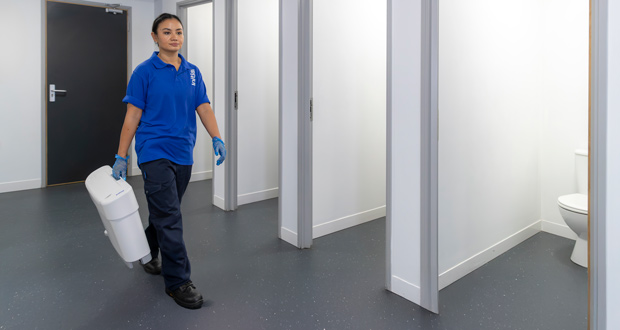
New waste unit specially designed for dignity in every cubicle by discreetly managing the disposal of both menstrual and incontinence waste.
Initial Washroom Hygiene has today launched a new offering in washroom waste disposal: the Signature Inclusive Sanitary Bin. Developed over two and a half years, this bin marks a turning point for the disposal of hygiene waste within the toilet cubicle.
Research conducted in the UK for Initial Washroom Hygiene suggests that 50 per cent of men with incontinence issues are afraid to leave their homes, while 29 per cent admitted to being forced to carry a used incontinence pad in their bag or coat due to a lack of sanitary waste disposal. In a separate study 43 per cent of respondents said they did not feel comfortable directly asking their employer to improve sanitary provisions in washrooms and yet, 34 per cent say that the washrooms in their school or workplace do not have adequate facilities to dispose of sanitary products hygienically.
Whereas most washroom waste units on the market are not necessarily inclusive of all waste needs, either due to their capacity, cubicle orientation or opening type, this new bin is a leap forward for the category. Initial Washroom Hygiene has developed the Signature Inclusive Sanitary Bin to safely and discreetly handle all forms of period and incontinence waste in the cubicle, making it the perfect solution for all washroom types (female, male, accessible and unisex).
Jamie Woodhall, UK Technical & Innovations Manager at Initial Washroom Hygiene, said: “We believe that every individual deserves a washroom experience that is fit for purpose. No one should enter a washroom without the confidence that they will be able to dispose of their personal hygiene waste in a discreet and dignified way within the toilet cubicle.
“For too long, the design of washroom waste units has overlooked the needs of many users, including men managing incontinence waste disposal to those people who need to use accessible facilities. The Signature Inclusive Sanitary Bin changes that. It’s been engineered so that businesses can offer washrooms that truly cater for everyone, regardless of their access needs, age or health conditions.”
The Signature Inclusive Sanitary Bin has been designed with a one unit fits all approach and has a range of innovative features that make it suitable for every type of washroom. A larger tray accommodates both period waste and incontinence items, including bulkier products, making the unit ideal for female, male, accessible and unisex washrooms. It has a large capacity of 17.5 litres whilst maintaining a slim, space-saving profile for easy location even in the narrowest of cubicles.
It also offers adaptable orientation and multiple opening options, including a touch free sensor, pedal or manual opening, to ensure it is accessible to all users. An enhanced modesty flap keeps the contents out of sight, supporting a discreet and considerate user experience, while the option to add a wall-mounting bracket simplifies cleaning and maintenance for facilities managers.
Launching first in the UK, then in Ireland next week, the Signature Inclusive Sanitary Bin will be available in other markets globally from February 2026.
The launch of the Signature Inclusive Sanitary Bin comes as Initial Washroom Hygiene has partnered with the British Toilet Association (BTA). United by a shared goal of improving the hygiene and facilities of ‘away from home’ washrooms across the UK, the partnership reflects Initial Washroom Hygiene’s commitment to ensuring dignity, safety, and wellbeing for everyone.
Raymond Martin, Managing Director, British Toilet Association, commented: “We are united by our shared goal of improving the hygiene and facilities of ‘away from home’ washrooms across the UK. All too often, the design of public and workplace washrooms overlooks the reality of people’s actual needs. By ensuring both incontinence and menstrual waste can be disposed of in the cubicle this new unit demonstrates real progress in making washrooms more respectful of user dignity. It’s a reminder that hygiene provision is not just a matter of convenience, but of wellbeing.”